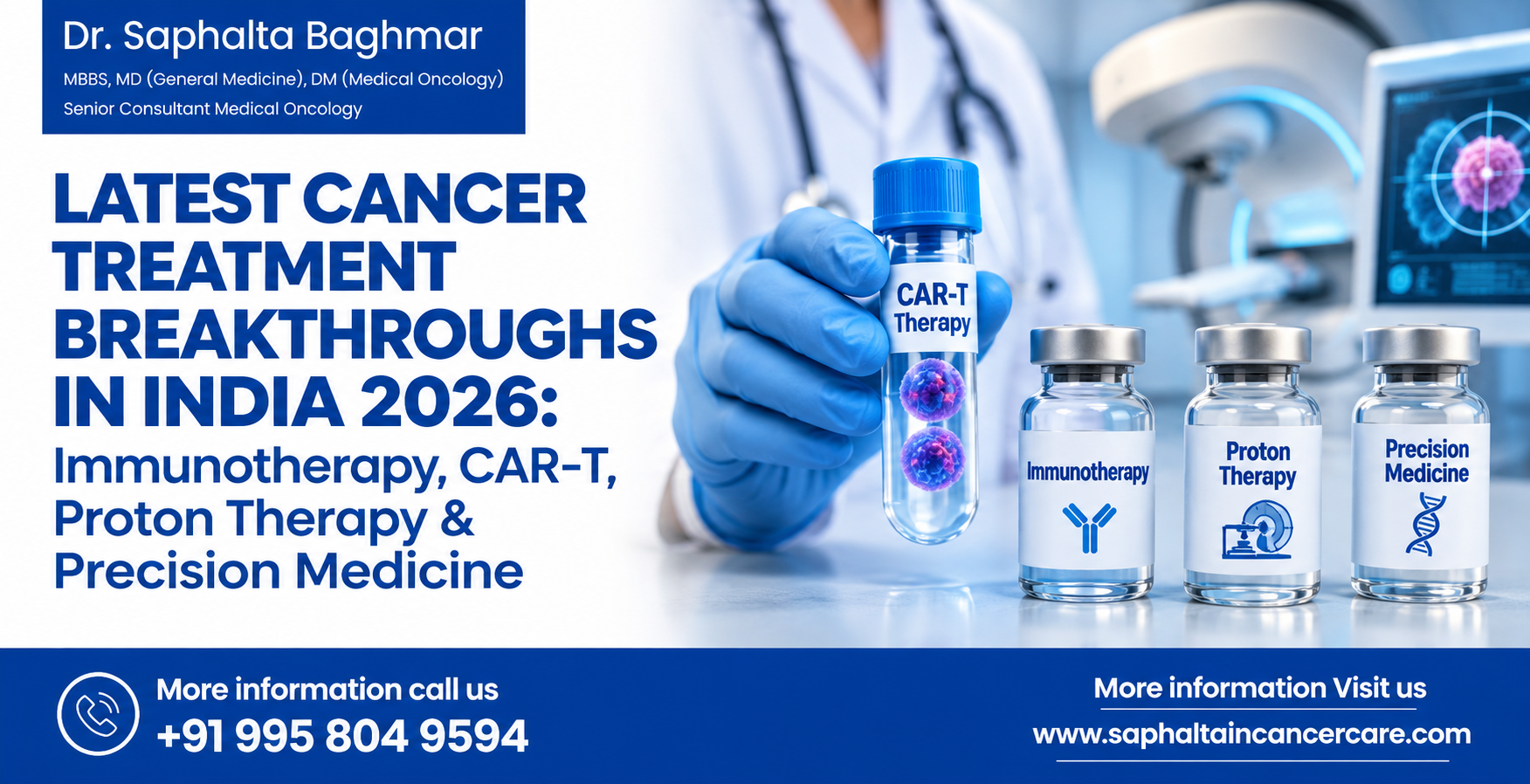
The landscape of cancer treatment has transformed dramatically in the past few years. India has emerged as a global leader in adopting cutting-edge oncology technologies and therapies, offering patients access to world-class treatments previously available only in the most advanced international centers. This comprehensive guide explores the latest cancer treatment innovations reshaping how we fight cancer in 2026.
The Evolution of Cancer Care in India
India’s medical infrastructure has undergone remarkable evolution. Today, patients can access the latest cancer treatment in India that rivals international standards, from immunotherapy protocols to precision medicine approaches. Major cancer centers across Delhi, Mumbai, Bangalore, and other metros now offer comprehensive multimodal treatment strategies combining surgery, chemotherapy, radiation, and advanced biologics.
The availability of advanced treatments has made India an attractive destination for cancer care, combining medical expertise with more accessible treatment pathways compared to many Western countries.
Immunotherapy: Revolutionizing Cancer Treatment
Immunotherapy represents perhaps the most significant breakthrough in modern oncology. This approach harnesses the body’s own immune system to recognize and destroy cancer cells, offering hope where traditional treatments alone may have failed.
How Immunotherapy Works
Unlike chemotherapy, which directly targets cancer cells, immunotherapy works by boosting the immune system’s ability to fight cancer. Checkpoint inhibitors—drugs that release the “brakes” on immune cells—have shown transformative results across multiple cancer types, including melanoma, lung cancer, head and neck cancers, and others.
Immunotherapy Across Cancer Types
1. For Head and Neck Cancers
Immunotherapy has revolutionized treatment for head and neck malignancies. Checkpoint inhibitors like pembrolizumab and nivolumab have significantly improved survival rates, particularly in advanced cases. The combination of immunotherapy with chemotherapy or radiation has become standard practice at leading centers in India.
Patients seeking treatment for head and neck cancers can now access immunotherapy protocols at major cancer centers, including specialized oncology practices in Delhi and other metropolitan areas. The effectiveness of immunotherapy in improving outcomes has made it an essential component of multimodal treatment strategies.
2. For Other Cancer Types
Immunotherapy’s success extends beyond head and neck cancers. Melanoma, non-small cell lung cancer, renal cell carcinoma, and urothelial cancers have all shown remarkable responses to checkpoint inhibitor therapy. Ongoing research continues to expand the list of cancers benefiting from immunotherapy approaches.
3. Access and Considerations
Understanding immunotherapy’s role in your treatment plan is crucial. Discussions with your oncology team about whether immunotherapy is appropriate for your specific cancer involve reviewing tumor characteristics, genetic markers, and overall health status. Modern cancer centers in India now have robust protocols for patient selection and immunotherapy administration.
CAR-T Cell Therapy: Engineered Cancer Fighters
CAR-T (Chimeric Antigen Receptor T-cell) therapy represents a paradigm shift in cancer treatment. This approach involves engineering a patient’s own immune cells to recognize and attack cancer cells with precision.
How CAR-T Works
Doctors extract T-cells from a patient’s blood, genetically modify them in the laboratory to express chimeric antigen receptors, and then infuse the engineered cells back into the patient. These modified cells can identify and destroy cancer cells bearing specific antigens.
Current Applications
CAR-T therapy has shown remarkable success in treating certain blood cancers, particularly B-cell lymphomas and acute lymphoblastic leukemia. The FDA-approved CAR-T therapies have transformed outcomes for patients with previously treatment-resistant cancers.
India’s leading cancer centers now offer access to CAR-T therapy programs, partnering with international experts to bring this innovative approach to Indian patients. While CAR-T remains a specialized treatment, its availability at major centers has expanded significantly.
Future Directions
Ongoing research is expanding CAR-T applications to solid tumors, including breast cancer and other malignancies. Next-generation CAR-T therapies with improved safety profiles are in development, promising even better outcomes in coming years.
Precision Medicine and Genomic Testing
Understanding a tumor’s genetic makeup has become fundamental to modern cancer treatment. Precision medicine tailors therapy based on individual tumor characteristics rather than cancer type alone.
Genomic Profiling
Advanced sequencing technologies allow oncologists to identify specific mutations driving cancer growth. This information guides selection of targeted therapies most likely to be effective for that particular tumor.
Targeted Therapies
EGFR-Targeted Therapy
Tumors with EGFR mutations respond particularly well to EGFR-inhibitor drugs. This precision approach represents a significant advancement over traditional chemotherapy, often with fewer side effects and better efficacy.
BRAF and Other Mutations
Melanomas with BRAF mutations can be treated with BRAF and MEK inhibitors, offering dramatic response rates. Similar precision approaches apply to other cancer types with specific genetic alterations.
PD-L1 Expression
Testing for PD-L1 expression helps predict which patients will benefit most from immunotherapy. This biomarker-driven approach optimizes treatment selection and improves outcomes.
India’s advanced cancer centers now routinely perform comprehensive genomic testing, enabling precision medicine approaches that were previously available only at international centers. This democratization of precision oncology represents a major advance in making the latest cancer treatment in India accessible to more patients.
Advanced Radiation Techniques
Radiation therapy continues to evolve, with new technologies delivering unprecedented precision and effectiveness.
Proton Therapy
Proton beam radiation offers unique advantages over traditional photon radiation. The Bragg peak characteristic of protons allows dose delivery directly to the tumor while sparing surrounding healthy tissue. This precision is particularly valuable for:
- Head and neck cancers near critical structures
- Breast cancer in young patients
- Pediatric cancers
- Tumors near the spinal cord or brain
India now has several proton therapy centers offering this advanced treatment modality. The availability of proton therapy at select major centers has made this sophisticated technology accessible to Indian patients who might otherwise need to travel internationally.
Also Read: Proton Beam Therapy In India
Intensity-Modulated Radiation Therapy (IMRT)
IMRT allows precise sculpting of radiation dose to tumor contours, minimizing exposure to healthy tissue. Modern IMRT techniques with image guidance ensure accurate targeting with each treatment fraction, improving outcomes while reducing side effects.
Stereotactic Ablative Radiotherapy (SABR)
SABR delivers high doses of radiation to small tumors with exceptional precision, often in fewer fractions than conventional therapy. This technique is particularly useful for oligometastatic disease and select primary tumors.
Combination and Multimodal Approaches
The most effective cancer treatment today typically combines multiple modalities. Surgery, chemotherapy, radiation, targeted therapy, and immunotherapy are increasingly integrated into comprehensive treatment plans.
Examples of Multimodal Treatment
1. Breast Cancer
Hormone receptor-positive breast cancer may be treated with surgery, radiation, chemotherapy, hormonal therapy, and targeted agents like HER2 inhibitors, depending on tumor characteristics and stage.
2. Head and Neck Cancer
Advanced head and neck cancers often receive combined chemotherapy and radiation therapy, with newer protocols incorporating immunotherapy for enhanced efficacy.
3. Lung Cancer
Lung cancer treatment selection involves consideration of histology, stage, and specific genetic mutations, with options ranging from surgery and radiation to targeted therapy and immunotherapy.
The sophistication of treatment planning at India’s leading cancer centers now allows oncologists to customize these multimodal approaches to individual patient characteristics, optimizing outcomes while minimizing side effects.
Vaccine-Based Approaches to Cancer
While therapeutic cancer vaccines remain in development, preventive vaccines have already shown remarkable success in cancer prevention.
1. HPV Vaccination
HPV vaccination has proven highly effective in preventing cervical cancer and other HPV-related malignancies, including head and neck cancers. Public health initiatives promoting HPV vaccination continue to reduce cancer incidence worldwide.
2. Therapeutic Vaccines
Therapeutic cancer vaccines designed to treat existing cancers are in various stages of clinical development. These approaches aim to train the immune system to recognize tumor-specific antigens, offering potential new treatment avenues.
3. Emerging Therapies and Clinical Trials
Beyond the established breakthroughs, numerous emerging therapies are in development:
4. Bispecific Antibodies
These engineered antibodies can simultaneously engage cancer cells and immune cells, bringing enhanced killing power to bear on malignancies.
5. Antibody-Drug Conjugates
ADCs combine antibodies targeting tumor-specific antigens with potent cytotoxic drugs, delivering therapy directly to cancer cells while sparing healthy tissue.
6. TIL Therapy
Tumor-infiltrating lymphocyte (TIL) therapy involves expanding immune cells found within tumors and reinfusing them to attack cancer more effectively.
7. Combination Immunotherapy
Studies continue to explore combinations of checkpoint inhibitors, CAR-T cells, and other immunotherapies to achieve synergistic effects.
India’s participation in international clinical trials has increased significantly, giving Indian patients access to cutting-edge experimental therapies while contributing to the global knowledge base on cancer treatment.
Also read: Proven Cancer Prevention Vaccines in India: A Guide
Access to Advanced Treatment in India
The democratization of advanced cancer treatment represents a major achievement. Patients no longer need to travel internationally to access the latest cancer treatment in India. Major cancer centers now offer:
- Comprehensive genomic testing and precision medicine
- Immunotherapy protocols
- CAR-T therapy programs
- Advanced radiation technologies including proton therapy
- Multidisciplinary team-based care
- Clinical trial opportunities
This accessibility has made advanced cancer care available to a much broader patient population, reducing the financial and logistical burden of seeking cutting-edge treatment.
Cost Considerations and Treatment Planning
Understanding the various treatment options allows informed decision-making about your care. Different modalities have different associated factors that affect overall treatment planning. Discussions with your oncology team should include:
- Effectiveness for your specific cancer type and stage
- Side effect profiles and quality-of-life considerations
- Treatment timeline and scheduling requirements
- Any associated factors and practical considerations
- Alternative approaches and their relative merits
A comprehensive treatment planning discussion ensures you understand your options and can participate meaningfully in decisions about your care.
Also Read: Immunotherapy Cost in India
The Future of Cancer Treatment
The pace of innovation in oncology continues to accelerate. Emerging areas of focus include:
- Enhanced immunotherapy combinations
- Next-generation targeted therapies
- Improved CAR-T cell designs
- Expansion of precision medicine to more cancer types
- Integration of artificial intelligence in treatment planning
- Advances in early detection enabling earlier, more effective intervention
India’s commitment to staying at the forefront of cancer treatment means patients can expect continued access to the latest innovations as they become available.
Conclusion
The latest cancer treatment breakthroughs have fundamentally transformed the cancer care landscape. Immunotherapy, CAR-T therapy, precision medicine, advanced radiation techniques, and innovative combination approaches offer hope and improved outcomes for cancer patients.
The availability of these advanced treatments at major cancer centers across India represents a watershed moment in cancer care. Patients now have access to world-class treatment options without the burden of international travel, making sophisticated, state-of-the-art oncology accessible to a much broader population.
If you or a loved one faces a cancer diagnosis, discussing the full range of treatment options with an experienced oncologist is essential. Modern cancer centers offer comprehensive evaluation and personalized treatment planning to select the approach most likely to be effective for your specific situation.
The combination of medical expertise, advanced technology, and compassionate care available at India’s leading cancer centers provides genuine hope for patients facing this challenging diagnosis. The latest cancer treatment in India continues to evolve, offering patients access to innovations that represent the cutting edge of global oncology.